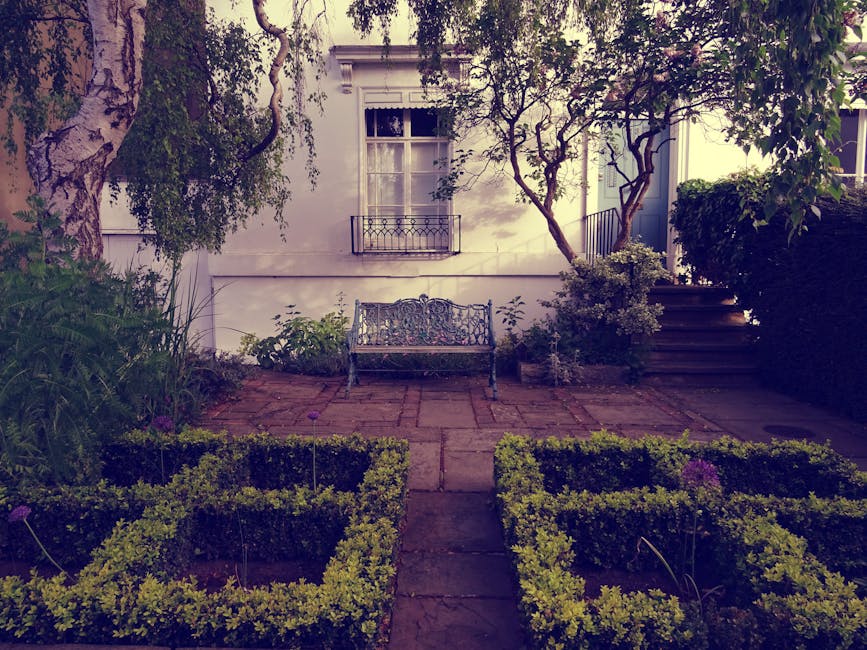
E13 gardeners for small courtyard gardens on Barking Road: a practical guide to getting a tight space looking its best
If you live or work near Barking Road and your outdoor space is more "narrow courtyard" than "spacious garden", you'll know the feeling. One damp corner, a bit of shade, maybe a paved patch with weeds pushing through, and suddenly the whole area looks busier and smaller than it should. That is exactly where E13 gardeners for small courtyard gardens on Barking Road can make a real difference. Not by overcomplicating things. Not by turning a tiny space into a fake country garden. Just by making smart, tidy, practical choices that work with the space you actually have.
This guide walks through what courtyard gardening involves, how local gardeners usually approach these spaces, what to look for, where the common traps are, and how to decide whether you need a one-off tidy-up or regular help. If you are comparing options, you may also find it useful to look at the services overview and the pricing and quotes page for a sense of what's typically available before you book anything in.
Small courtyards can be brilliant, by the way. They just need a different sort of attention. Less "fill every inch" and more "make every inch count".
Table of Contents
- Why E13 gardeners for small courtyard gardens on Barking Road Matters
- How E13 gardeners for small courtyard gardens on Barking Road Works
- Key Benefits and Practical Advantages
- Who This Is For and When It Makes Sense
- Step-by-Step Guidance
- Expert Tips for Better Results
- Common Mistakes to Avoid
- Tools, Resources and Recommendations
- Law, Compliance, Standards, or Best Practice
- Options, Methods, or Comparison Table
- Case Study or Real-World Example
- Practical Checklist
- Conclusion
- Frequently Asked Questions
Why E13 gardeners for small courtyard gardens on Barking Road Matters
Courtyard gardens in E13 often have a very specific set of problems. They are usually compact, enclosed, and a bit awkward to access. That means maintenance can't be approached the same way as a larger front or rear garden. A standard "mow, trim, go" routine often misses the point. In a small space, small issues become big visual distractions very quickly.
Think about what you actually see when you step outside. A pot group that has tipped over. Moss on paving. A climber that's started swallowing a fence panel. A hedge that needs one clean line rather than a heavy cut. These details matter because the eye has nowhere to wander. In a tiny courtyard, everything is on show.
That is why the right local gardener matters. Someone familiar with compact urban gardens will usually be better at judging proportion, shade, drainage, privacy, and maintenance needs. They are not just working to make it tidy for today. They are trying to keep it manageable next month too. Truth be told, that is where the value often is.
There is also a local rhythm to consider. Barking Road sees plenty of foot traffic, transport movement, dust, and the usual London weather swing from wet to dry and back again. Small gardens there can pick up grime, compacted soil, and persistent weeds faster than people expect. A gardener who understands that pace will plan around it instead of treating the space as if it sits in a quiet suburban lane.
If you want a broader view of what a professional provider may cover, the main site is a useful place to start, especially if you are looking for ongoing support rather than a one-off visit.
How E13 gardeners for small courtyard gardens on Barking Road Works
In practice, gardening for a courtyard space is a mix of assessment, light planning, and careful execution. The first step is usually understanding what the garden is doing now and what you need it to do better. Do you want it to feel greener? Easier to maintain? Cleaner for entertaining? More private? The answer changes the work.
A good gardener will usually begin with a site walk-through. That might sound basic, but it is where the useful thinking happens. They will look at sun exposure, drainage, plant health, weed pressure, access routes, hard landscaping, and whether the current layout makes sense. A courtyard with only a couple of hours of sun, for example, needs a different planting approach than one baked in afternoon light.
From there, the work often breaks into a few practical tasks:
- clearing out dead growth, litter, or accumulated debris
- cutting back overgrown plants without leaving the space harsh or bare
- lifting weeds from paving, borders, and cracks
- refreshing pots, containers, and small beds
- adjusting plant placement so the space feels balanced
- improving edging, tidiness, and access around doors or paths
For regular jobs, this may be repeated seasonally or monthly. For a one-off transformation, the work might lean more heavily on clearance, reshaping, and replanting. If you are unsure what type of visit you need, services pages such as garden maintenance and related services can help you think through the options without guessing.
What matters most is that the plan fits the scale of the garden. A small courtyard does not need a heavy-handed overhaul. It needs good judgment. A bit of restraint, honestly. That is often the difference between "done" and "done well".
Key Benefits and Practical Advantages
Hiring the right gardener for a courtyard space is not just about appearance, although that is usually the first thing people notice. The real benefits are often practical and cumulative.
A cleaner, more usable space
Small gardens can become cluttered fast. Once they are cleaned, cut back, and organised properly, they often feel twice the size. Not physically, of course, but visually and mentally. You can actually use the space again.
Less ongoing stress
If you are constantly thinking, "I should sort that garden out", professional help removes a nagging task from your week. That sounds simple, but it matters. A courtyard should feel like a place to pause, not another job on the list.
Better plant survival
Plants in containers or tiny borders can dry out quickly, get rootbound, or fail if they are placed in the wrong spot. A knowledgeable gardener can reduce the trial-and-error that often leads to dead plants and wasted money.
Improved safety and access
Slippery paving, loose pots, and overgrown corners are not just untidy. They can be awkward or unsafe, especially if children, older relatives, or delivery drivers use the space. Simple maintenance helps here more than people realise.
More privacy and comfort
Courtyards often face shared boundaries or overlook nearby homes. Smart screening with trellis, bamboo-style supports, climbers, or well-placed shrubs can make the space feel more relaxed without boxing it in.
For readers who care about responsible upkeep, it may also be worth reviewing the site's recycling and sustainability approach. In a small garden, waste can build up surprisingly quickly after pruning or clearance, so it helps to know how green waste is handled.
Expert summary: In small courtyard gardens, the best results usually come from restraint, regular attention, and tidy details rather than dramatic redesigns. Keep the structure simple, the planting purposeful, and the maintenance realistic.
Who This Is For and When It Makes Sense
This kind of gardening support makes sense for a wide range of people, not just homeowners with a neglected patio. In fact, some of the best-fit clients are the ones with limited time rather than limited interest.
You may want E13 garden help on Barking Road if:
- your courtyard is too small for the effort you are putting in
- the space looks messy even after you tidy it yourself
- you are dealing with weeds, moss, or patchy planting
- you want privacy without a big landscaping project
- you need the garden ready for guests, tenants, or sale photos
- access is awkward and you would rather have someone experienced handle it
- you have inherited a garden that is overgrown or a bit forgotten
It also makes sense if you manage a rental property or small commercial space and need the outside area to look presentable without demanding too much upkeep. Small spaces can make a bad first impression very quickly. A clean courtyard, on the other hand, feels cared for. Simple as that.
There is a particular moment many people recognise: you open the back door on a mild spring morning, light hits the paving, and instead of enjoying it, you spot the same tangled corner you have been ignoring for months. That is usually when the idea of calling in help stops feeling like a luxury and starts feeling sensible.
Step-by-Step Guidance
If you want to get the best result from a local gardener, it helps to think through the project in a clear order. That way, you are not paying for guesswork or ending up with a garden that looks neat but doesn't actually suit your daily life.
1. Decide what the space must do
Before any work begins, be honest about the purpose. Is it mainly for sitting out, storage, low-maintenance greenery, or a bit of all three? Courtyards often have to do double duty, and the design should reflect that.
2. Identify the main problem areas
List the issues that bother you most: weed growth, shading, drainage, messy containers, poor access, or lack of privacy. If the list is long, that is normal. Tiny gardens have a funny way of collecting multiple small problems at once.
3. Prioritise structure first
Good courtyard work usually starts with the bones of the space. Edging, paving, planting layout, and key containers should be sorted before decorative extras. If the structure is off, everything else feels slightly wrong.
4. Choose plants that can cope
Not every plant suits a shaded urban courtyard. Pick plants based on actual conditions, not wishful thinking. Low-light, drought-tolerant, or container-friendly options are often more reliable than fashionable choices that need more room than you have.
5. Schedule regular maintenance
Small gardens look best when they are visited consistently. A little every month often beats a massive tidy-up twice a year. Regular maintenance keeps the space from drifting back into chaos. And yes, chaos happens quietly in these spaces.
6. Review the result seasonally
A courtyard should not be treated as a one-off job. Plants grow, light changes, and drainage can shift after wet weather. Reassessing the space in spring and autumn helps keep it practical.
If you are collecting estimates or comparing service levels, the pricing and quotes page can be a helpful next stop. It is often easier to compare when you know whether you are looking at clearance, maintenance, planting, or a mix of all three.
Expert Tips for Better Results
Here is where the small details pay off. Courtyard gardens are rarely won by dramatic gestures. They improve through thoughtful choices, a bit of discipline, and maybe one well-placed plant that quietly does the job.
Keep the plant palette tight
Too many different colours, textures, and pot styles can make a small courtyard feel cluttered. A tighter palette looks more deliberate. That does not mean boring. It means coherent.
Use vertical space
Walls, fences, trellis panels, and hanging supports are your best friends in a small urban garden. Climbing plants can add softness without taking up precious floor space. Handy, really.
Pay attention to containers
Pots are often the heart of a courtyard, but they can also become visual clutter. Choose a few good-sized containers rather than lots of tiny ones if possible. It usually looks calmer and is easier to maintain.
Mind the drainage
Courtyards can trap water, especially if paving is old or uneven. After a downpour, puddling may reveal where the real problem is. A gardener with local experience will usually spot this quickly and recommend sensible fixes before the issue spreads.
Cut with purpose, not habit
Over-trimming is surprisingly common. A plant that is reduced too hard can look stark, stressed, or unbalanced. Better to cut for shape, airflow, and health than to just make it smaller because it feels safer.
A small aside: the neatest courtyard I ever saw looked almost too simple at first. Two planters, one climber, clean paving, one bench. Nothing shouting for attention. Yet it felt calm the moment you stepped in. That is the goal more often than not.
Plan for low-fuss upkeep
If you know you won't have time every week, ask for a planting and maintenance plan that matches real life. There is no point creating a garden that needs constant rescue. Be practical. Your future self will thank you.
Common Mistakes to Avoid
Small courtyard gardens are easy to get wrong in slightly annoying ways. Not disastrous. Just enough to make the space harder to enjoy.
- Overcrowding the space: Too many pots, ornaments, and plants can make a courtyard feel cramped.
- Ignoring shade and moisture: Plants placed in the wrong conditions often struggle, then need replacing.
- Using oversized features: Large planters or furniture can overwhelm a small footprint.
- Letting maintenance drift: In compact gardens, a short delay can quickly become a bigger job.
- Chasing trends instead of function: A courtyard that looks good in photos but is awkward to use will frustrate you.
- Skipping weed control in paving: Small weeds between slabs can make the whole garden look untidy very fast.
One of the most common mistakes is trying to solve a small-garden problem with a big-garden mindset. More planting is not always the answer. More structure usually is. Or at least that is what the garden keeps telling you once the novelty wears off.
Tools, Resources and Recommendations
Courtyard gardening does not always require a huge toolkit, but the right equipment matters because access is often tight and surfaces are hard or delicate.
Useful tools for small courtyard maintenance
- hand trowel and hand fork for precise planting and weed removal
- compact pruning shears for shaping and deadheading
- stiff broom for paving and debris
- watering can or hose setup suited to limited access
- gloves with grip for container work
- small rake for lifted debris and surface cleaning
Helpful resources to ask about
- clear service descriptions
- transparent quote information
- evidence of insurance and safety standards
- simple payment and booking options
- waste and green material handling policies
For trust and peace of mind, it is sensible to review practical pages such as insurance and safety and the health and safety policy. That is not about being fussy. It is about knowing who is responsible if access is tricky, tools are being used near hard surfaces, or waste needs moving through tight side passages.
If you prefer to deal with providers who take customer care seriously, the complaints procedure and payment and security pages are also worth a look. They tell you something about how the business is run, and that can matter just as much as the gardening itself.
Law, Compliance, Standards, or Best Practice
Garden maintenance in a domestic setting is usually straightforward, but there are still sensible standards to keep in mind. These are less about red tape and more about good practice.
First, any gardener working on your property should handle tools, waste, and access in a way that keeps people safe. That usually means clear communication, careful use of equipment, tidy working areas, and respect for shared access paths or neighbours' property. If a provider mentions their health and safety approach, that is a positive sign.
Second, waste should be managed responsibly. In a small courtyard, pruning waste and old compost can build up fast. Green waste handling, recycling where possible, and responsible disposal are all part of a decent service. It is one of those things you only notice when it is done badly.
Third, if your garden sits near shared boundaries or adjoining properties, it is wise to be considerate about noise, access, and cuttings. A good gardener will work neatly and leave the area as they found it, or cleaner. That's the standard, really.
Finally, if you are commissioning regular work, clear pricing, written quotes, and transparent terms reduce misunderstandings later. You do not need legal jargon. You just need clarity. The quotes page and the site's customer policies can help set expectations in a sensible way.
Options, Methods, or Comparison Table
Different courtyard gardens need different approaches. Some benefit from a full reset. Others only need a tidy maintenance rhythm. Here is a simple comparison to help you think it through.
| Approach | Best for | Typical strengths | Possible downside |
|---|---|---|---|
| One-off tidy-up | Overgrown or neglected courtyards | Fast improvement, clear visible change | Can slip back without follow-up |
| Regular maintenance visits | Busy households or rental properties | Keeps the garden under control | Less dramatic before-and-after effect |
| Planting refresh | Spaces that feel tired but structurally fine | Adds colour, softness, and seasonal interest | Needs correct plant selection |
| Light redesign | Courtyards with poor layout or awkward use | Improves flow and function | Takes more planning and budget |
In many real-world cases, the best answer is a blend. A tidy-up plus a planting refresh, for example, often gives a courtyard a new lease of life without turning it into a big project. That tends to be the sweet spot for E13 properties where space is tight and practical results matter most.
Case Study or Real-World Example
A typical Barking Road courtyard might be a narrow paved space behind a terraced property, with a couple of tired pots, some self-seeded weeds in the joints, and one climber that has gone a little bit wild. Nothing dramatic. Just neglected enough to feel heavy every time the back door opens.
In that sort of situation, a sensible gardener would usually start by clearing the paving, removing dead growth, and checking whether water is sitting where it shouldn't. They might reduce the climber, tidy the edge lines, and replace a few poor-quality containers with sturdier ones. If the garden gets very little sun, they would avoid forcing in bright-border plants that are bound to struggle.
The change can be surprisingly noticeable. The courtyard may not suddenly look large, but it will feel calmer. Light reflects off cleaner paving. The space reads as intentional. A small chair or bench suddenly makes sense again. And that makes a difference to how you use it.
I've seen people go from avoiding the back door to sitting outside with a tea on a mild evening, just because the space stopped feeling like an ongoing job. That's the point. Not perfection. Just a space you want to use.
Practical Checklist
Use this simple checklist before booking or starting work on a small courtyard garden:
- Confirm the main goal: tidying, planting, privacy, maintenance, or all four
- Measure the available space and note access points
- Check sun, shade, and drainage patterns
- List the plants, pots, or features you want to keep
- Identify problem areas such as weeds, moss, or broken containers
- Decide whether you need one-off work or ongoing visits
- Ask how waste will be removed or recycled
- Confirm whether the gardener is insured and works safely
- Request a clear quote and scope of work
- Set a realistic upkeep plan you can actually maintain
If you want reassurance before moving ahead, review the provider's modern slavery statement and sustainability information. Those pages may seem more corporate than horticultural, but they do help show how a business thinks about responsibility and standards.
Conclusion
Small courtyard gardens on Barking Road do not need grand plans. They need smart attention, realistic upkeep, and someone who understands how to make a compact space feel lighter, neater, and easier to live with. The best E13 gardeners for small courtyard gardens know how to work with awkward access, patchy light, paving, containers, privacy needs, and the everyday mess that London weather loves to leave behind.
Whether you are dealing with a neglected space, preparing for guests, or simply tired of looking at the same cluttered corner every time you step outside, the right help can change the whole feel of the garden. Small improvements add up. They really do.
Get a free quote today and see how much you can save.
And if you want to keep things simple, start with one clear goal: make the courtyard easier to enjoy this week, not someday. That's usually where the good gardens begin.
Frequently Asked Questions
What do E13 gardeners for small courtyard gardens on Barking Road usually do?
They usually handle a mix of tidying, pruning, weeding, container care, light planting, and general maintenance tailored to compact urban spaces. The exact work depends on the garden's condition and what you want it to do better.
How often should a small courtyard garden be maintained?
For most small courtyards, light maintenance every few weeks or once a month works well. Overgrown or fast-growing spaces may need more frequent attention, especially in spring and early summer.
Is a courtyard garden harder to look after than a bigger garden?
In some ways, yes. Small spaces show mess very quickly, so weeds, fallen leaves, and clutter become obvious faster. On the other hand, the actual area is smaller, so once it's under control, upkeep can be quite manageable.
Can a gardener make a small courtyard look bigger?
Yes. Smart planting, cleaner lines, vertical greenery, and reduced clutter can all make a courtyard feel more open. It won't change the square footage, obviously, but it can change how the space reads.
What should I ask before hiring a local gardener?
Ask what services are included, how waste is handled, whether they are insured, what safety practices they follow, and whether the quote covers one-off work or ongoing maintenance. Clear answers up front save hassle later.
Are courtyard gardens suitable for low-maintenance planting?
Absolutely. Many courtyard gardens do best with hardy, container-friendly, low-fuss plants that suit the available light and drainage. A good gardener will recommend planting that fits your routine, not just your taste.
How do I know if my courtyard needs a full tidy-up or a redesign?
If the main issue is weeds, dead growth, and clutter, a tidy-up may be enough. If the layout feels awkward, the garden gets waterlogged, or the space never feels usable, a light redesign may be worth considering.
Do I need to worry about safety when gardening in a small space?
Yes, a little. Tight access, slippery paving, stored tools, and hard surfaces can all create hazards if work is rushed. It's sensible to choose a provider who follows proper safety practice and carries suitable insurance.
What if my courtyard gets very little sunlight?
That's common in E13 courtyards. The solution is usually to choose shade-tolerant plants, improve spacing, and avoid placing sun-hungry species in poor positions. A gardener with local experience can usually spot workable options quite quickly.
How much should I expect to spend on courtyard garden help?
Costs vary depending on the size of the job, how overgrown the space is, and whether you want one-off or regular work. The best approach is to ask for a clear quote based on your actual garden, rather than guessing from generic prices.
Can gardeners help with waste removal after pruning or clearance?
Yes, many can. It is worth asking in advance how green waste and debris will be handled, especially in a small courtyard where access can be awkward and waste can build up quickly.
What is the biggest mistake people make with small courtyard gardens?
Trying to cram too much into the space. Too many plants, too many pots, and too many competing ideas can make the garden feel smaller and harder to maintain. Simplicity usually wins.