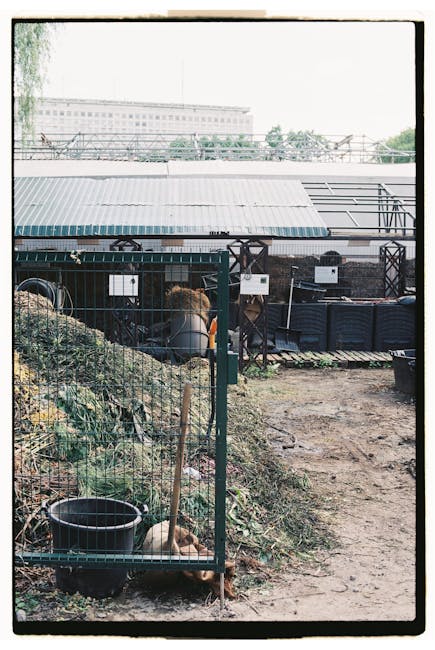
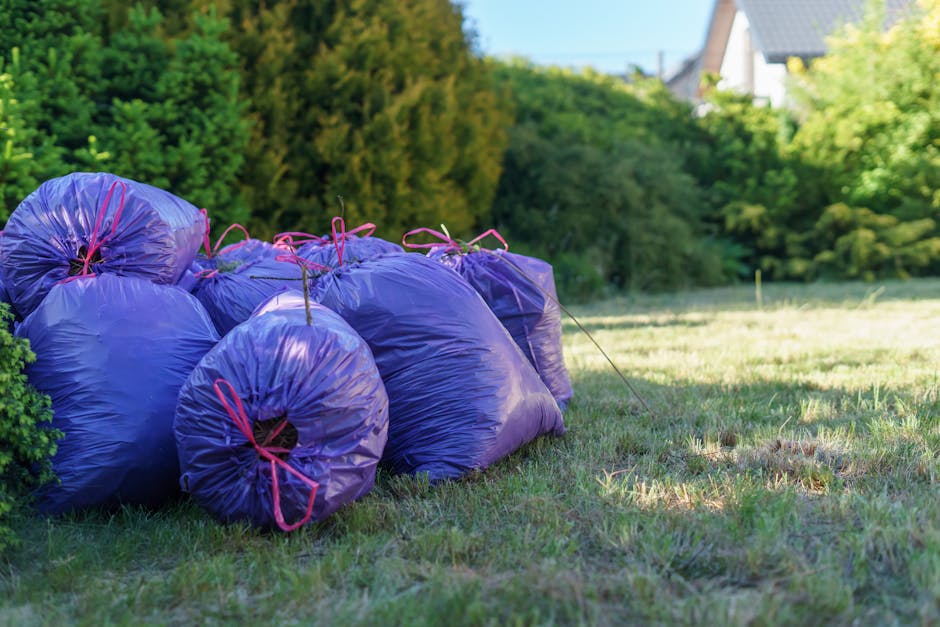
Plaistow gardening rules Newham council waste and bonfires
If you garden in Plaistow, sooner or later you run into the same awkward questions: where does all the green waste go, can you burn it, and what should you do if the pile from a weekend clear-up is getting out of hand? The short answer is that Plaistow gardening rules Newham council waste and bonfires are less about fuss and more about keeping your garden tidy, your neighbours happy, and your waste disposal sensible. That sounds simple enough, but in real life it can get messy fast.
This guide breaks everything down in plain English. You will learn how garden waste is normally handled, what to think about before lighting a bonfire, how to avoid common mistakes, and when a proper clearance service makes more sense than another trip with the garden sack. I'll also weave in practical links to useful pages on this site, like garden clearance, garden maintenance, and recycling and sustainability, because compliance is easier when the job is handled properly from the start.
Table of Contents
- Why Plaistow gardening rules Newham council waste and bonfires matters
- How Plaistow gardening rules Newham council waste and bonfires works
- Key benefits and practical advantages
- Who this is for and when it makes sense
- Step-by-step guidance
- Expert tips for better results
- Common mistakes to avoid
- Tools, resources and recommendations
- Law, compliance, standards, or best practice
- Options, methods, or comparison table
- Case study or real-world example
- Practical checklist
- Conclusion
- Frequently asked questions
Why Plaistow gardening rules Newham council waste and bonfires Matters
Gardening rules only feel theoretical until you are stood by a half-full wheelbarrow wondering whether a hedge trim, a pile of turf, and a bag of weeds all count as the same kind of waste. In Plaistow, as in the rest of Newham, the practical issue is not just "what can I throw away?" but "how do I manage garden waste without causing nuisance, breaking local expectations, or making a bigger job for myself next week?"
That matters for a few reasons. First, garden waste can become a trip hazard, attract pests, or block access if it is left in the wrong place. Second, bonfires can turn a calm evening into a neighbour dispute in minutes. And third, if you are paying for a gardener, a clearance team, or even just spending your own Saturday doing the work, you want the process to be efficient. Nobody enjoys dragging soggy hedge cuttings around twice.
There is also the simple reality of shared living in east London. Back gardens sit close together, wind can carry smoke further than you expect, and a small fire can feel much bigger to the people next door. A careful approach is not over-cautious; it is just sensible.
Expert summary: If you treat garden waste as a managed material rather than a pile to "deal with later", you save time, reduce complaints, and make every tidy-up easier to repeat.
How Plaistow gardening rules Newham council waste and bonfires Works
The basic workflow is straightforward. You cut, collect, separate, store, and then dispose of or reuse the material in the most appropriate way. The details are where most people go wrong.
In practical terms, garden waste usually falls into a few broad groups:
- Green waste: grass cuttings, weeds, hedge trimmings, leaves, small prunings, and similar organic material.
- Woody waste: thicker branches, larger pruned stems, shrubs, and small tree offcuts.
- Mixed garden waste: soil, old plant pots, broken canes, compost sacks, and other bits that are not purely green.
- Hard landscaping waste: broken slabs, timber, decking offcuts, and other non-organic items.
Why split them up? Because they are rarely all handled in the same way. Green waste is often the easiest to compost or recycle. Mixed waste needs more sorting. Hard waste may require a completely different disposal route. If you are carrying out a bigger tidy-up, a service such as garden clearance or services overview can save a lot of back-and-forth.
Bonfires sit in a different category altogether. A bonfire is not a disposal shortcut you should assume is fine just because the material is organic. Smoke, smell, ash, embers, and timing all matter. Even if something burns, that does not mean it is wise to burn it. Wet leaves, pressure-treated timber, painted wood, and mixed rubbish are especially poor choices. They smoke heavily and can create unpleasant or harmful fumes. To be fair, the smell alone is often enough to make everyone nearby grumpy.
The cleanest way to think about it is this: compost or reuse where possible, arrange proper collection or clearance where needed, and treat bonfires as a last resort rather than the default.
Key Benefits and Practical Advantages
Working within sensible gardening rules is not just about avoiding trouble. It actually makes your garden easier to manage.
- Less mess around the property: waste is cleared in one controlled sweep instead of being shifted from corner to corner.
- Better neighbour relations: fewer smoke issues and less chance of complaints over smell or drifting ash.
- Safer working conditions: tidy paths, clear access, and reduced risk of slips or cuts.
- Improved garden health: pruning, mowing, and clearance done properly supports healthier growth.
- More predictable costs: planned disposal is usually cheaper than emergency clean-up after a problem has escalated.
There is a quiet benefit too: a garden that is maintained on a regular schedule feels easier to live with. You notice it on a damp Tuesday evening when the lawn is tidy, the hedge is in shape, and there is no stack of cuttings lurking by the fence. If that sounds trivial, it really is not. Small wins matter.
For homeowners, landlords, and managing agents, a structured approach also helps with portfolio maintenance. A recurring lawn mowing or hedge trimming schedule reduces the need for heavy clearances later on. That is the bit people often overlook.
Who This Is For and When It Makes Sense
This topic matters if you are any of the following:
- a homeowner trying to clear an overgrown back garden
- a tenant with responsibility for keeping an outdoor area tidy
- a landlord or property manager preparing a property between lets
- a gardener helping a client understand disposal and smoke concerns
- a local resident deciding whether to compost, collect, or burn garden waste
It also matters when the job changes from routine maintenance into something bigger. A few hedge trimmings after a sunny weekend? Easy enough. A full clearance after months of growth, fallen branches, and old materials hidden behind the shed? Different story entirely. That is when careful planning pays off.
If you are working around trees, thick branches, or awkward access, the job may need additional help from tree lopping and removal specialists. And if the garden is not just messy but properly overgrown, a mix of garden maintenance and clearance is often the smarter answer.
Truth be told, many people only look up local waste and bonfire guidance after the pile is already there. That is normal. But once you know the rules of thumb, future jobs become much easier to plan.
Step-by-Step Guidance
Here is the most practical way to handle garden waste in Plaistow without creating extra hassle.
- Walk the garden first. Check what you are dealing with: grass, cuttings, branches, weeds, soil, timber, or mixed rubble.
- Separate waste into clear piles. Keep organic material apart from wood, metal, plastic, and hard landscaping debris.
- Reduce volume before disposal. Chop larger branches, compress green waste carefully, and bag lighter material so it is easier to move.
- Decide what can be reused. Healthy clippings can often be composted, while woody stems may be chipped or bundled.
- Choose the right disposal route. Use collection, recycling, or professional clearance rather than assuming a bonfire will solve it.
- Check the timing if you are considering a fire. Think about wind, neighbours, and whether the material will burn cleanly. If not, don't light it.
- Leave the garden safe and accessible. Make sure paths, gates, bins, and edges are left neat so the area does not become awkward to use.
One useful habit: sort waste as you cut rather than after you have made a huge pile. It sounds obvious, but many people create the mess first and the plan second. That approach works until the rain arrives. Then everything becomes heavier, wetter, and more annoying. A classic British garden moment, really.
If you are preparing for a bigger tidy-up, it can help to plan around the rest of the property too. For instance, if the garden opens onto a decked area, pairing the job with decking services or wider landscaping work can prevent the same debris from building up again.
Expert Tips for Better Results
A few small changes make garden waste management noticeably easier.
- Work dry when you can. Dry clippings are lighter and less likely to smear mud across paths and steps.
- Keep a "do not burn" pile. Anything damp, treated, painted, or mixed with household rubbish should be set aside immediately.
- Use strong sacks or bins, not overfilled ones. Overstuffed bags tear at the worst possible moment.
- Cut branches down to manageable lengths. This helps with transport, storage, and disposal.
- Plan the sequence of work. Prune, collect, stack, and clear in one flow rather than revisiting the same area three times.
- Think about the neighbours before lighting anything. If smoke would blow straight into a window, the answer is probably no.
And yes, if you are unsure whether a fire is sensible, that uncertainty is a useful signal. It usually means you should choose a cleaner disposal method. Not glamorous, but it works.
When the job is more about volume than technique, a practical route is to book a proper clearance rather than trying to out-muscle the pile yourself. A good garden clearance service is often less stressful than a weekend of repeated bin runs.
Common Mistakes to Avoid
Most trouble comes from a handful of repeat mistakes. The good news? They are easy to spot once you know what to look for.
- Burning the wrong material: painted wood, plastic ties, treated timber, and mixed rubbish do not belong on a bonfire.
- Ignoring smoke direction: even a small fire can bother several gardens if the wind shifts.
- Leaving piles too long: damp waste gets heavier, mouldy, and harder to move.
- Mixing everything together: once green waste, rubble, and timber are combined, disposal becomes more awkward and sometimes more costly.
- Forgetting access routes: narrow side passages, shared alleyways, and steps can turn a simple job into a safety issue.
- Assuming every garden can be treated the same way: a small courtyard and a large rear garden need different handling.
A lot of problems also happen because people underestimate how much waste a pruning job creates. You trim one hedge and suddenly there is a mountain of clippings. It's sneaky like that. Regular garden maintenance helps keep the volume sensible so you are never buried in green waste after one tidy-up.
Tools, Resources and Recommendations
You do not need a shed full of specialist kit, but the right basics make everything easier.
| Task | Useful approach | Why it helps |
|---|---|---|
| Lawn tidy-up | Regular cutting and edging | Prevents clumps of grass and messy overgrowth |
| Hedge and shrub work | Trim in stages and collect as you go | Reduces the size of the final waste pile |
| Branch and woody waste | Bundle securely or arrange clearance | Makes handling safer and more organised |
| Mixed debris | Sort it before disposal | Avoids contamination of recyclable material |
| Large clear-outs | Use professional help | Saves time and reduces physical strain |
Hand tools, sturdy gloves, pruning shears, rake, tarpaulin, and decent waste bags cover most day-to-day jobs. For larger gardens, wheelbarrows and collection tubs save your back. For anything thorny or heavy, do not improvise too much. That is how people end up with scratches, strained shoulders, or a very grumpy afternoon.
If you are comparing help options, the pricing and quotes page can be useful when you want a clearer sense of how service-based gardening work is approached. And if you care about where the waste ends up, recycling and sustainability is the right place to think about re-use and responsible disposal.
Law, Compliance, Standards, or Best Practice
This is the part people often want simplified, so let's keep it honest. Local rules around waste and bonfires can vary, and the safest assumption is that nuisance, smoke, and unsafe burning are the real problems to avoid. Councils generally expect residents to manage waste responsibly, avoid creating a public nuisance, and prevent fire risk. That is the broad direction, even when the exact local detail differs.
For practical compliance, the best practice is usually:
- dispose of garden waste in an orderly way
- keep non-organic and treated materials out of any fire
- avoid smoke drifting into neighbouring homes or shared spaces
- only burn if conditions are calm and safe
- stop immediately if the fire is producing excessive smoke or becoming hard to control
If you are unsure, choose the lower-risk option. That might mean composting, bagging, reuse, or booking a clearance service. In a dense residential area, that is usually the smarter call. There is no prize for making a dramatic bonfire on a breezy evening, after all.
Professional providers should also work with appropriate safety practices. If you use a contractor, it is worth reviewing pages such as health and safety policy and insurance and safety so you know the job is being handled with care. That is just common sense.
Options, Methods, or Comparison Table
Most garden waste in Plaistow ends up being handled in one of four ways. The best choice depends on the material, the amount of waste, and how quickly you need the garden cleared.
| Method | Best for | Pros | Watch-outs |
|---|---|---|---|
| Composting | Leaves, grass, soft cuttings | Low waste, useful for soil improvement | Needs space and patience |
| Reuse on site | Mulch, mulch-like cuttings, some prunings | Quick and practical | Not suitable for diseased or messy waste |
| Bonfire | Very limited dry green waste, where safe and permitted | Fast for small amounts | Smoke, nuisance, and safety concerns |
| Professional clearance | Large, mixed, or awkward waste loads | Convenient, efficient, less physical effort | Usually costs more than doing it yourself |
In most urban gardens, professional clearance is the best all-round option for bigger jobs. Bonfires may sound convenient, but convenience is a bit of a trap here. If the pile is damp, mixed, or too close to neighbouring property, you are better off skipping the fire entirely.
For recurring upkeep, a combination of lawn mowing, hedge trimming, and occasional clearance is often more cost-effective than waiting for the garden to become unmanageable.
Case Study or Real-World Example
Here is a simple real-world style example. A Plaistow homeowner had a rear garden that looked fine from the patio, but behind the main border the hedge had grown thick, the lawn had thinned out, and several bags of old clippings were still sitting by the shed. The first instinct was to light a small bonfire and be done with it. But after checking the weather, it was obvious the smoke would drift straight toward neighbouring windows.
Instead, the job was split into three parts. The lawn was cut and tidied, the hedge was trimmed back in stages, and the waste was separated into green waste, woody waste, and a small amount of mixed material. The green cuttings were bagged for reuse or disposal, the branches were bundled, and the old rubbish was removed properly. No smoke, no awkward conversation over the fence, no lingering smell the next morning.
What changed wasn't just the waste method. It was the order of the work. Once the garden was put on a sensible maintenance cycle, the amount of waste dropped the next month, and the next. That is the hidden advantage people miss. Better routines, fewer problems. Simple really.
Practical Checklist
Use this checklist before you deal with garden waste or consider a bonfire in Plaistow.
- Have I separated green waste from treated timber, plastic, metal, and rubble?
- Is the material dry enough to handle safely?
- Am I creating a pile that will block access or attract pests?
- Would smoke drift into a neighbour's windows, garden, or shared passage?
- Do I know what can be composted, reused, or collected?
- Is there enough space to work safely without cutting corners?
- Would a professional clearance be quicker and cleaner for this amount of waste?
- Have I checked whether the job is better handled as part of ongoing maintenance?
One good rule: if the answer to more than two of those questions is "I'm not sure," slow down. It's usually a sign that the job needs a more careful plan.
For recurring help, it can be worth looking at services overview and working out whether maintenance, clearance, or a mixed approach suits the garden best.
Get a free quote today and see how much you can save.
Conclusion
Getting to grips with Plaistow gardening rules Newham council waste and bonfires is really about making your garden easier to live with. If you sort waste properly, reduce unnecessary burning, and keep on top of routine jobs, the whole space feels calmer. Less smell, less mess, less last-minute stress. That matters more than people think.
For many households, the best approach is a blend of regular maintenance, sensible recycling, and occasional professional support when the job gets bigger than expected. A garden should be a place you enjoy, not a place where waste and smoke keep causing trouble. Keep it tidy, keep it safe, and keep it kind to the people around you.
If you want a team that understands the practical side of local garden work, you can learn more through the site's about us page or reach out via the contact us route when you are ready to plan the next step. And if you prefer to know exactly how terms are handled, the terms and conditions page is there too.
Small jobs become manageable when the system is simple. That's the whole trick, really.
Frequently Asked Questions
Can I burn garden waste in Plaistow?
Sometimes people can, but only if it is safe, sensible, and not causing a nuisance. In practice, many garden piles are too damp, too mixed, or too close to neighbours for burning to be a good idea. If in doubt, use disposal or clearance instead.
What kind of garden waste should never go on a bonfire?
Treated wood, painted timber, plastics, rubber, household rubbish, and mixed debris should not be burned. They can create heavy smoke, unpleasant smells, and avoidable safety issues.
What is the best way to get rid of hedge cuttings?
Hedge cuttings are usually best handled as green waste. Smaller amounts can be bagged or composted, while larger amounts may need professional clearance. If the hedge is big, a dedicated hedge trimming service can keep the waste load under control.
Do I need to sort garden waste before it is collected?
Yes, ideally. Sorting helps keep green waste separate from mixed rubbish and hard materials. That makes disposal cleaner, safer, and often more efficient.
How often should I clear garden waste?
It depends on the garden, but regular small clear-ups are usually easier than one large seasonal job. Weekly or fortnightly maintenance can prevent the kind of build-up that turns into a full clearance later.
Is composting better than burning garden waste?
For most green waste, yes. Composting is usually cleaner, quieter, and more useful long term. It is not suitable for everything, but it works well for leaves, grass, and soft clippings.
When should I book professional garden clearance?
If the waste is heavy, mixed, hard to access, or more than you want to handle yourself, professional clearance makes sense. It is especially useful after overgrowth, pruning work, or a seasonal reset.
Can a small bonfire still annoy neighbours?
Absolutely. Smoke can drift a surprising distance, especially on still evenings or when the wind changes. A small fire may seem harmless from your side of the fence and still be very noticeable next door.
What should I do with branches and thicker prunings?
Bundle them safely, cut them into manageable pieces, and separate them from softer green waste. If there are a lot of branches, a specialist tree lopping and removal service may be the cleaner option.
How can I reduce garden waste in the first place?
Regular mowing, trimming, and maintenance are the best prevention. Smaller, more frequent jobs create less waste than letting everything grow out and then cutting it all back at once.
Where can I learn more about responsible disposal and recycling?
The most relevant place on this site is the recycling and sustainability page, which is a useful starting point for thinking about greener ways to handle garden material.
What if I'm not sure whether my waste is suitable for composting?
If there is any doubt, keep it separate until you know. Mixed or contaminated material is better handled through proper disposal or clearance than risked in a compost heap.
Who can help if I want the garden tidied and the waste removed in one go?
A local gardening and clearance team can usually handle both the tidy-up and the disposal side together. That is often the simplest route when the garden has got away from you a bit.